Biodiversity Impacts of Renewable Energy
Initiative in Sustainable Finance: Research Highlight by Prof. Zacharias Sautner and Co-Authors
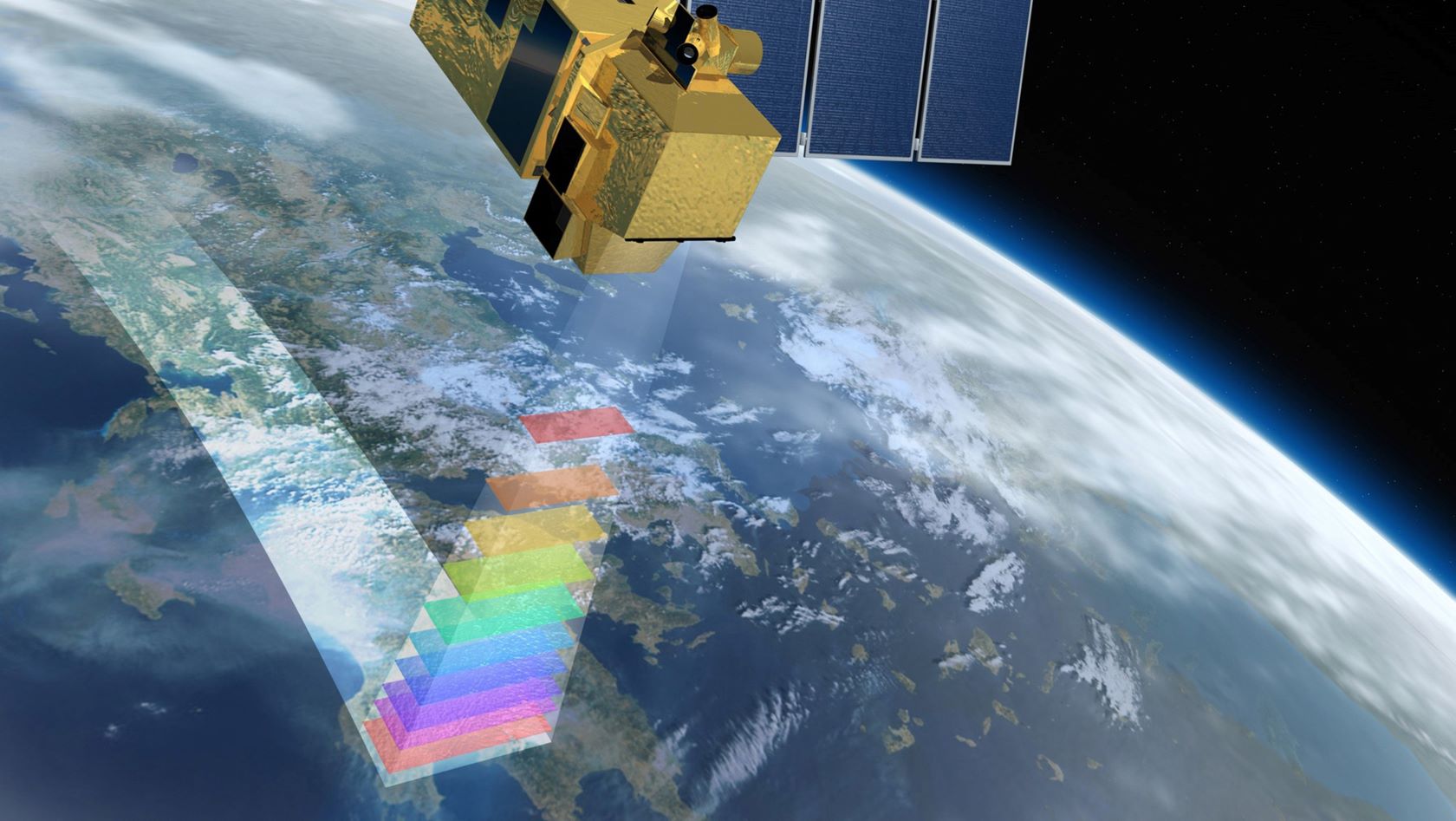
Renewable energy is vital for addressing climate change, but land use by hydro, solar, and wind power plants can have a negative impact on biodiversity through habitat destruction. This paper shows that these impacts are increasing and depend on the choice of technology, location, ownership, and financing.
Authors:
- Haozhou Gong, University of Hong Kong
- Prof. Chen Lin, University of Hong Kong
- Prof. Zacharias Sautner, University of Zurich, Swiss Finance Institute, ECGI
- Prof. Thomas Schmid, University of Hong Kong
Introduction
The paper studies how the global build out of hydro, solar, and wind power affects biodiversity through land use and habitat destruction.
While renewable energy (RE) is central for climate mitigation, its rapid expansion can fragment ecosystems and encroach on biodiversity sensitive areas, creating a climate–nature trade off. The authors argue that a lack of standardized, spatially explicit biodiversity metrics has so far prevented a rigorous assessment of these trade offs at global scale and across ownership and financing structures.
Methodology
The authors assemble a global asset level dataset of 40,911 utility scale solar, wind, and hydro plants (≥1 MW) commissioned between 2000 and 2023, totaling 1.37 TW of capacity across 180 countries.
They map each plant’s land footprint using Sentinel 2 and Landsat satellite imagery, complemented by machine learning classification for solar, benchmark land use factors for wind, and pre/post dam reservoir inundation for hydro. Plant footprints are overlaid with 5×5 km Threat Abatement STAR (START) scores from the IUCN based STAR metric via IBAT, yielding a plant level index of land use induced biodiversity impact, plus intensity measures per m² and per kW.
The authors then merge ownership and financing data (S&P Market Intelligence, LSEG Infra 360) to compare impacts by technology, geography, time, listing status, financial vs non financial owners, and project vs corporate finance, using regressions with rich technology–location–year fixed effects.
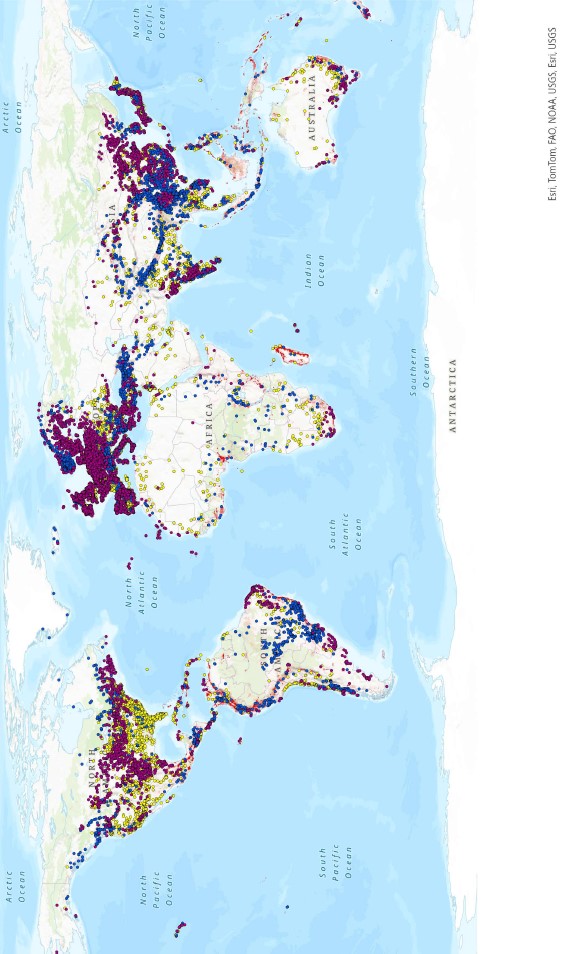
Figure 1: This figure shows the locations of solar plants (yellow), wind plants (purple), and hydro plants (blue) included in the sample. The plants became operational between 2000 and 2023 and meet the minimum capacity thresholds of 1 MW.
Key Findings
- Scale and distribution of impacts: The aggregate biodiversity impact of existing RE plants is equivalent to the value of all forest in Austria or all grassland in Thailand and could reach the scale of Canada’s total land biodiversity by 2030 if capacity triples as projected. Impacts are extremely skewed: the median plant has a very low START score, while fewer than 1% of plants account for nearly 70% of total biodiversity impact but only about 2.5% of capacity.
- Technology differences: Solar and hydro together generate almost 90% of RE’s biodiversity impact, with solar highest in total impact due to land intensity and hydro sited in the most biodiversity sensitive locations. Wind contributes relatively little: both total impact and impact per m² are substantially lower than for solar and hydro, though wind still affects sensitive species locally.
- Dynamics over time: Total and median plant level impacts have increased strongly since 2000, driven mainly by growing land use per plant and larger average capacities, with a milder trend toward siting in more sensitive locations. Solar has overtaken hydro as the dominant driver of biodiversity impact in recent years, mirroring the global boom in utility scale PV.
- Species at risk: RE plants overlap not only with habitats of many least concern species, but also with critically endangered species such as the California Condor, Asian White backed Vulture, and Indian Black Vulture, which lose non trivial shares of their remaining habitat.
Table 3: Top 10 RE Power Plants with the Highest Biodiversity Impacts
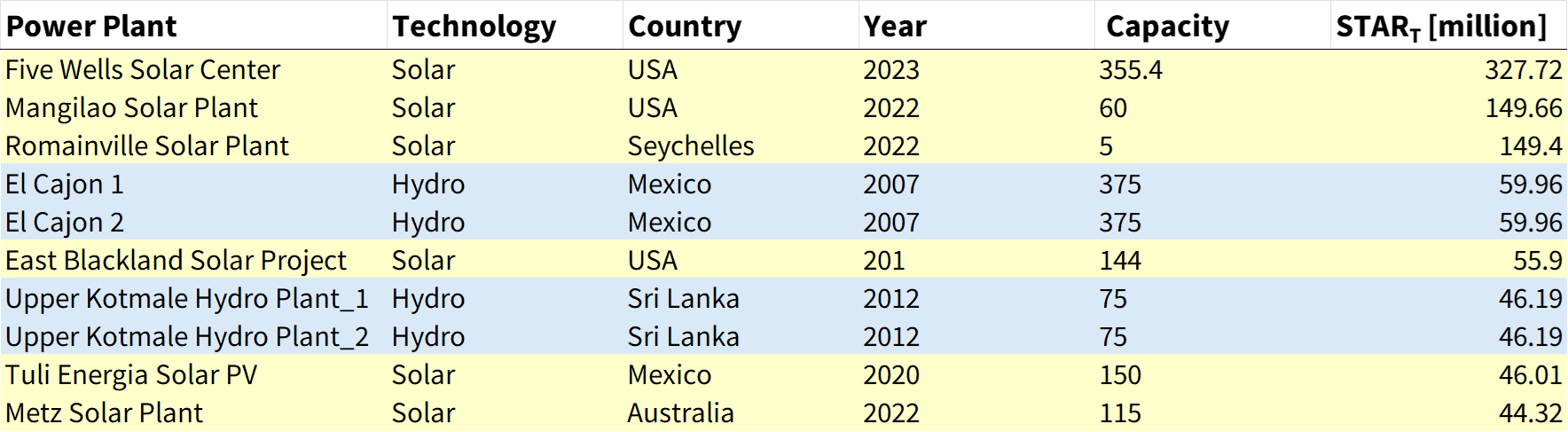
This table shows the ten RE plants in our sample with the highest START score, sorted in descending order. The START score is reported in millions. Year is the year in which commercial operation started and capacity is measured in MW. Variable definitions can be found in Appendix A in the paper (link below).
Implications and Conclusions
The study shows that climate mitigation via RE expansion and biodiversity conservation are tightly interconnected, and that ignoring siting decisions can lead to substantial unintended nature loss.
Because impacts are highly concentrated in a small number of plants and owners, targeted siting rules, exclusion zones, and restoration policies could dramatically reduce biodiversity costs with limited sacrifice of generation capacity.
Ownership and financing matter: publicly listed and non financial owners, and balance sheet (corporate) finance, are systematically associated with higher impact siting, whereas private and financial owners and project finance structures are associated with roughly 10% lower biodiversity impacts after controlling for size.
The authors conclude that asset level, spatial biodiversity metrics like START can inform investors, regulators, and disclosure frameworks (e.g., TNFD) and should be extended beyond power generation as asset location data become available.
More Information:
Gong, Haozhou and Lin, Chen and Sautner, Zacharias and Schmid, Thomas, Biodiversity Impacts of Renewable Energy (November 17, 2025). Swiss Finance Institute Research Paper No. 25-98, European Corporate Governance Institute – Finance Working Paper No. 1111/2025, HKU Jockey Club Enterprise Sustainability Global Research Institute Paper No. 2025/179, Available at SSRN: https://ssrn.com/abstract=5759025 or http://dx.doi.org/10.2139/ssrn.5759025
Image source: Credit Astrium, ©ESA