Powering AI: How Do Data Centers Affect Renewable Energy Investment?
Initiative in Sustainable Finance: Research Highlight by Prof. Zacharias Sautner and Co-Authors
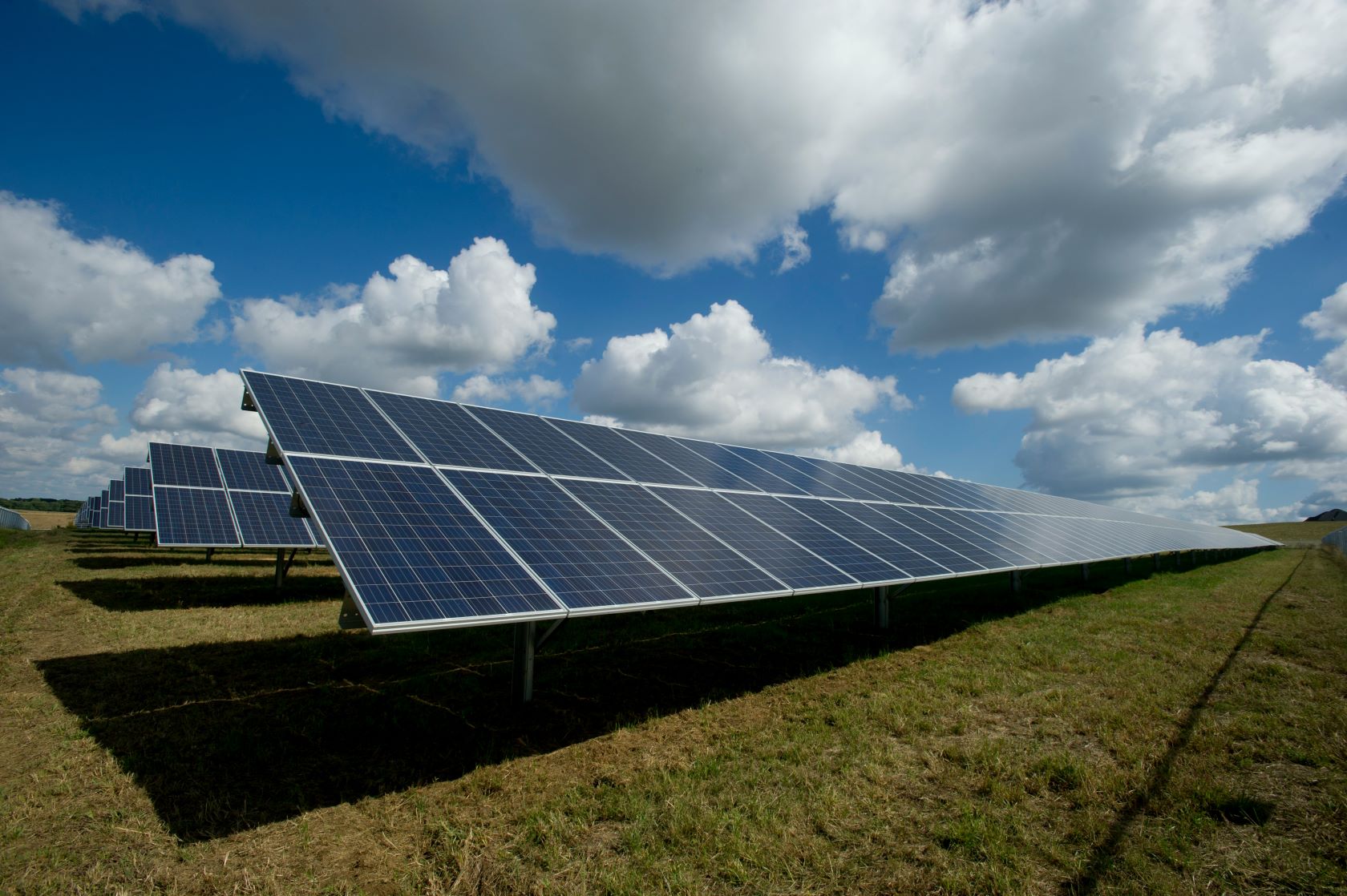
This paper shows that the AI boom increases power plant investment, especially in regions with data centers. Most importantly, it shows that most new capacity comes from renewables and battery storage, not gas. The investment increase for renewables and storage is driven by power purchase agreements (PPAs) between data center operators and electricity producers as well as hyperscalers’ net-zero goals. A conclusion is that electricity demand of data centers does not necessarily slow the net-zero transition.
Authors:
- Alexander Heiss, University of Hong Kong
- Prof. Zacharias Sautner, University of Zurich, Swiss Finance Institute, ECGI
- Prof. Thomas Schmid, University of Hong Kong
Introduction
The paper studies how the rapid expansion of AI-related data centers changes investment in electricity generation in the United States. It asks whether the surge in highly reliable, 24/7 power demand from data centers is mainly served by fossil fuel plants, especially gas, or whether it instead accelerates mostly investment in renewables and battery storage.
This question matters because data centers are becoming a dominant source of new electricity demand, and how that demand is met will shape the feasibility and pace of the net zero transition.
The authors argue that how economies respond to a shock in electricity demand offers a laboratory for understanding how the future path of decarbonization may look. This is important to understand as decarbonization requires large-scale electricity generation from clean energy sources.
Methodology
The authors exploit the public release of ChatGPT in November 2022 as an exogenous shock to expectations about future data-center electricity demand.
They implement a difference in differences design around this event for “treated” and “control” regions. As treated regions, they classify the 100km x 100km areas hosting the top 10% of pre ChatGPT data-center capacity - these geographical areas host 93% of the entire data-center capacity in the United States as of 2022Q3. Using detailed project level data on power plants, including non-grid-connected behind the meter facilities, they track announced investments in power plants in treated and control regions around the ChatGPT shock.

Key Findings
-
First, after ChatGPT’s release, treated regions with substantial pre existing data center capacity become significantly more likely to see new power plant announcements and larger capacity additions than control regions.
-
Second, the investment increase in treated regions is overwhelmingly driven by renewable energy (mostly solar) and battery energy storage systems (BESS). For gas, there is a small rise in investments in behind the meter gas units co located with data centers, but this is offset by declines in grid connected gas plants, so the net gas effect is essentially zero.
-
Third, near data centers, the probability that power plants use corporate PPAs and project finance rises sharply, and PPAs/project finance are disproportionately associated with renewable and storage technologies. This implies that these forms of contracting and financing facilitate the growth of investments in renewables related to data centers.
-
Finally, investment increases in renewable and storage capacity are concentrated around data centers whose operators have net zero climate pledges, whereas gas additions are concentrated around data centers of operators without such pledges.

Implications and Conclusions
The paper challenges the dominant narrative that AI and cloud computing will lock power systems into fossil fuels. Instead, it shows that the AI driven data center boom is catalyzing large scale investment in renewables and storage, helped by corporate PPAs and project finance structures. Data centers act as anchor customers with high, predictable loads and strong credit quality, making it easier to raise capital for renewable projects and to hedge revenue risk over long horizons. Net zero pledges by hyperscalers appear to be credible commitments because data center operators with these pledges not only increase local investment volumes but also tilt the local generation mix away from gas and toward cleaner technologies.
The authors conclude that growing electricity demand from AI data centers need not undermine decarbonization; under the right contractual and institutional conditions, it can accelerate the build out of low carbon power, though there remains a potential crowding out risk for other, less deep pocketed electricity consumers.
More Information:
Heiss, Alexander and Sautner, Zacharias and Schmid, Thomas, Powering AI: How Do Data Centers Affect Renewable Energy Investment? (March 16, 2026). Swiss Finance Institute Research Paper No. 26-29, Available at SSRN: https://ssrn.com/abstract=6426079 or http://dx.doi.org/10.2139/ssrn.6426079
Image source: American Public Power Association via Unsplash